
Formula-first skincare analysis No hype, clear context Affiliate links may be used Read our disclosure Human-reviewed editorial process Formula-first skincare analysis No hype, clear context Affiliate links may be used Read our disclosure Human-reviewed editorial process

Skincare Routines For Real Life Skin

Here you will find realistic anti-aging skincare routines built around retinol, bakuchiol, peptides, and antioxidants, with clear AM and PM steps, safe combinations, and easy swaps for sensitive or reactive skin.

Skincare Routines For Real Life Skin

Here you will find realistic anti-aging skincare routines built around retinol, bakuchiol, peptides, and antioxidants, with clear AM and PM steps, safe combinations, and easy swaps for sensitive or reactive skin.

How We Build These Skincare Routines

Our content is built in three stages.

Ingredient based, science aware

We map routines around proven actives like retinol, retinal, bakuchiol, peptides, vitamin C, and supportive antioxidants. Each routine respects published tolerability guidelines and real world experience, especially for sensitive or 35 plus skin.

Layering rules and tolerance first

The order, amount, and frequency matter as much as the formula. We design every routine with clear AM and PM steps, simple do and do not combinations, and gradual build schedules so your skin has time to adapt. This follows the layering logic you see in our main guide.

Editor tested, product neutral

Products are chosen only after the routine logic is set. We look at INCI lists, texture, and user feedback, then suggest formulas that truly fit the step and the skin type, rather than forcing a routine to match a trend.

Our reviews meet FTC and ASA disclosure standards.
Affiliate disclosure

Some of the links in our Best of Lists are affiliate links, which means we may earn a small commission if you choose to make a purchase. This never affects our editorial independence: products are selected through ingredient research, routine testing, and performance data, not brand influence. The support from these links helps us maintain Premium Beauty Online as a trusted space for science-led reviews and curated recommendations.

Routine Finder: Start From Your Real Life

skincare-routine-finder-icon (2) (1)

Not every anti aging skincare routine needs ten steps. The easiest way to start is to choose the one thing that matters most right now, your main skin goal, your key active, or how confident you feel with actives. Use this simple finder to jump straight to the routines that make sense for you.

Choose A Routine By Key Ingredient

Already in love with a certain active Use it as the anchor of your AM and PM routines.

Choose A Routine By Confidence Level

Whether you are just meeting retinol or you have been layering serums for years, there is a pace that feels right for you.

You can move between these groups over time. Your skin may need a beginner routine during stressful seasons, then feel comfortable with more later. There is no “failure” in choosing the gentler option.

Routine Basics Before You Start

skincare-routine-basics-icon (1)

Before you jump into any anti aging skincare routine, it helps to know a few simple rules. They will keep your skin barrier calm, your actives working properly, and your expectations realistic. Think of this as your short briefing before choosing any AM or PM map below.

The Core Four Steps Of An Anti Aging Skincare Routine

Almost every routine on this page follows the same backbone. The details change, the backbone stays.

routine-cleanse-icon (2) (1)

Cleanse

Remove sunscreen, makeup, and daily buildup without stripping the skin. A gentle, non foaming formula or a soft gel cleanser is usually enough. If your skin feels tight after cleansing, it is a sign to switch.

routine-treat-icon (1)

Treat

This is where your actives live, retinol or retinal, bakuchiol, vitamin C and other antioxidants, peptides, exfoliating acids on their dedicated nights. You will see this step shift the most between different routines.

routine-moisturize-icon (1)

Moisturize

Seal in hydration and support the barrier so that actives are better tolerated. Texture can be light lotion, cream gel, or richer cream depending on your skin type and climate.

routine-protect-icon (1)

Protect (AM only)

In the morning, every anti aging routine finishes with broad spectrum SPF. It keeps the rest of your work from being undone by daily UV exposure and is the one step that never takes a day off.

Key Rules For Layering Skincare Actives

key-rules-layering-actives-icon (1)

Layering looks complex from the outside, in reality it comes down to a few clear principles.

Layering looks complex from the outside, in reality it comes down to a few clear principles.

Thinnest to thickest in texture
After cleansing, start with the most fluid textures, toners and watery essences, then light serums, then creams and sunscreens. This helps each layer sit where it is supposed to.

One strong newcomer at a time
When you introduce retinol, retinal, bakuchiol, or a strong vitamin C, add only one of them to your routine, and keep everything else simple for a few weeks. This makes it much easier to read your skin.

Alternate “work nights” and “rest nights”
Most real life skin does better with an alternating rhythm, for example retinol or retinal on some evenings, peptide and barrier support on others. Weekly exfoliation gets its own night, separate from retinoids.

Respect sensitive zones
Eyes, corners of the nose, and mouth area tend to react first. You can buffer these areas with a thin layer of bland moisturizer before applying actives, or simply avoid them with stronger formulas.

Stop at the first clear sign of irritation
Burning, stinging, shiny tight skin, or persistent redness are signs that the routine needs adjusting. The correct response is to pause actives, move into a repair routine, and reintroduce carefully, not to push through.

How To Test New Routines Safely

Patch, pace, observe

Morning Routines For Protection And Glow

morning-skincare-routines-icon (1)

Morning routines do not need to be dramatic to be effective. Here the focus is protection, antioxidants under SPF, and enough hydration for comfort. Start with one of these antioxidant morning routines and only add extra steps if your skin actually wants them.

antioxidant-morning-routine-icon (1)

Simple Antioxidant Morning Routine For Everyday Protection

A calm antioxidant morning routine that fits into busy weekdays, built around a cleanser, an antioxidant serum, a light moisturizer, and SPF.

Steps

  1. Cleanser
    Rinse with lukewarm water and a gentle cleanser that does not leave the skin tight. This can be the same one you use at night.

  2. Antioxidant serum
    Apply a few drops of a vitamin C or multi antioxidant serum on dry skin. Focus on face, neck, and the top of the chest if you can. Let it settle for a minute.

  3. Light moisturizer
    Choose a lotion or gel cream that sits well under sunscreen and makeup. If your skin is oily, you can sometimes skip this step and go straight to SPF, as long as your skin still feels comfortable.

  4. Broad spectrum SPF
    Finish with a generous layer of broad spectrum sunscreen, at least SPF 30, as the final step in your antioxidant morning routine. Give it a few minutes before applying makeup.

sensitive-skin-morning-routine-icon (1)

Calm And Protective Morning Routine For Sensitive Skin

For skin that wakes up flushed, tight, or easily irritated, this routine keeps antioxidants gentle and leans on barrier supporting textures.

Steps

  1. Very gentle cleanse or rinse
    If your skin is reactive, a single cleanse with a low foam or cream cleanser is often enough in the morning. On very sensitive days you can simply rinse with lukewarm water.

  2. Soothing antioxidant layer
    Use a serum or lotion that combines milder antioxidants, such as vitamin C derivatives, niacinamide, green tea, or resveratrol, with calming ingredients. Avoid strong acids in the morning when your skin already feels fragile.

  3. Barrier focused moisturizer
    Apply a moisturizer with ceramides, cholesterol, fatty acids, and humectants. Aim for a texture that feels comforting but not suffocating.

  4. SPF with a comfortable finish
    Choose a mineral or hybrid sunscreen that your skin tolerates well and that does not sting around the eyes. If needed, you can apply a thin layer of your moisturizer around the eyes before SPF as a buffer.

brightening-morning-routine-icon (1)

Brightening Morning Routine For Dull Or Uneven Tone

When you want more glow and more even tone, the goal is to pair brightening antioxidants with consistent daily SPF, not to overload your skin.

Steps

  1. Gentle cleanse
    Use a cleanser that removes night products and light oil without stripping. Avoid harsh scrubs or strong exfoliating cleansers in the morning.

  2. Targeted brightening serum
    Apply a serum with vitamin C, niacinamide, and possibly tranexamic acid or other pigment supporting ingredients, depending on what your skin tolerates. Press it into the skin instead of rubbing.

  3. Hydrating, non greasy moisturizer
    Choose a moisturizer that keeps the skin hydrated so that light reflects more evenly. Look for humectants like glycerin and hyaluronic acid, plus a smooth finish under SPF.

  4. High commitment SPF step
    Use a broad spectrum sunscreen every single morning, and be especially generous on areas with pigmentation. This step is non negotiable if brightening is your main goal.

Night Routines For Active Repair

night-skincare-routines-icon (1)

Night is when your routine can work a little harder for you. This is the place for retinol and retinal, bakuchiol, peptides, and richer textures that help the skin repair itself while you sleep. You do not need to use every active at once, the best night routine is the one your skin can repeat calmly, week after week.

beginner-retinol-night-routine-icon

Beginner Retinol Night Routine For Real Life Skin

A gentle retinol night routine for skin that is new to retinoids or coming back after a break, with a focus on comfort and a slow, realistic pace.

Frequency note

Start with one to two nights per week, never on back to back evenings. On other nights, use a simple moisturizing routine or a peptide repair routine.

Steps

  1. Soft cleanse
    Remove sunscreen and makeup with a gentle cleanser, no harsh foaming and no scrubs. Pat dry, do not rub.

  2. Hydrating prep layer (optional but helpful)
    Apply a light hydrating toner or serum without strong acids, something based on glycerin, panthenol, or hyaluronic acid. Let it sink in for a minute.

  3. Retinol or retinal treatment
    Apply a pea sized amount of your chosen retinol or very low strength retinal to the face, avoiding the eye area and corners of nose and mouth at first. You can press the product in with flat palms instead of rubbing.

  4. Buffering moisturizer
    Follow with a barrier friendly moisturizer over the whole face and neck. If your skin is very sensitive, you can also use the sandwich method, a thin layer of moisturizer, then retinol, then a slightly thicker layer of moisturizer.

  5. Eye cream and lip balm
    Finish with a comfortable eye cream or a simple moisturizer around the eyes, plus a balm for the lips, since retinoids can travel slightly during the night.

bakuchiol-night-routine-icon

Bakuchiol Night Routine For Sensitive Or Retinol Shy Skin

A bakuchiol routine for sensitive skin or for anyone who prefers a retinol alternative with a calmer feel. The rhythm is similar to a classic retinol night routine, with a little more flexibility.

Frequency note

Many skins tolerate bakuchiol three to four nights per week, but it is still best to start with two evenings and increase only if your skin feels comfortable.

Steps

  1. Gentle cleanse
    Cleanse with a non stripping formula, avoiding hot water. Pat dry.

  2. Comforting essence or serum
    Use a simple hydrating serum that supports the barrier, for example one with panthenol, centella, or beta glucan. This prepares the skin without adding extra irritation.

  3. Bakuchiol serum or cream
    Apply your bakuchiol product over the face and neck, following the instructions on frequency. Pay attention to how your skin feels over the first few weeks and adjust if needed.

  4. Barrier supporting moisturizer
    Layer a moisturizer rich in ceramides, cholesterol, and fatty acids over the top. The goal is to keep the skin feeling comfortable through the night.

  5. Optional, targeted oil
    If your skin is dry, you can press a few drops of a non fragrant oil into the driest zones, over your moisturizer.

peptide-repair-night-routine-icon

Peptide Repair Night Routine For Firmness And Recovery

A peptide based night routine for the evenings between retinol or retinal, or for anyone who wants a routine that focuses on firmness, elasticity, and barrier repair without the typical retinoid learning curve.

Frequency note

This peptide routine can be used on most non retinol nights, for example three to five evenings per week, depending on how often you use stronger actives.

Steps

  1. Cleanse, with no extra exfoliation
    Use a gentle cleanser that does not contain strong acids. Peptide nights are meant to be soothing, not stimulating.

  2. Peptide serum or multi peptide treatment
    Apply a peptide serum across the face and neck. Look for formulas that combine signal peptides, copper peptides, or peptide blends with hydrating bases.

  3. Supportive eye and neck care
    If your peptide product is eye safe, you can take a small amount around the eyes and along the neck. If not, use a separate gentle eye cream.

  4. Comforting moisturizer or peptide cream
    Follow with a cream that complements the serum, either a simple barrier formula or a peptide rich moisturizer if your routine allows it.

  5. Optional, sleeping mask style layer
    On very dry or stressed days, finish with a thin layer of a balm or sleeping mask on the driest parts of the face.

advanced-retinal-multi-active-night-icon

Advanced Retinal And Multi Active Night Routine

For experienced users only, this is a more complex retinal based night routine that combines several actives with clear rules. It is included here to show what a carefully layered advanced routine looks like, not as a starting point.

Safety note

Only consider this routine if you already tolerate basic retinol or retinal well, and if your skin barrier feels stable. At the first sign of irritation, move back to a simpler retinol night routine or a peptide repair night.

Steps

  1. Calm, thorough cleanse
    Remove makeup and sunscreen with a gentle cleanser, double cleanse only if you wear heavy or water resistant formulas. Avoid exfoliating cleansers.

  2. Optional mild acid step (on dedicated nights only)
    On some evenings, use a mild acid toner or serum after cleansing, then wait at least ten to fifteen minutes before the next step. Do not use this step on every retinal night, and never combine it with high strength acids.

  3. Retinal serum or cream
    Apply a pea sized amount of your retinal product, spreading it evenly across the face, avoiding the most sensitive areas until you know your tolerance. Follow the usage instructions carefully.

  4. Targeted support serum (for example peptides or hydrating serum)
    Once your skin is comfortable with retinal, you can add a simple peptide serum or hydrating serum on top on some nights, as long as the combination feels comfortable for your skin.

  5. Nourishing moisturizer
    Seal everything in with a nourishing moisturizer that your skin already knows and trusts, no new actives here.

  6. Eye and lip care
    Finish with gentle products around the eyes and lips, as in the beginner routine.

Weekly And Monthly Extras For Texture And Lift

weekly-monthly-extras-texture-lift-icon (1)

Once your daily AM and PM routines feel stable, you can add a few extras for texture, glow, and lift. These are not everyday steps. Think of them as quiet upgrades you use on certain evenings, with clear rules so they do not clash with retinol, retinal, or other strong actives.

gentle-exfoliation-nights-icon (1)

Gentle Exfoliation Nights

Exfoliation is most helpful in small, steady amounts. The goal is smoother texture and better light reflection, not a burning clean slate feeling.

Guidelines list

  1. Give exfoliation its own night
    Use acid toners or exfoliating serums on a separate evening from retinol or retinal. This keeps your routine powerful but still kind to your barrier.

  2. Choose the mildest formula that works
    Start with lower strength acids or blends that combine exfoliating and soothing ingredients. If your skin already uses retinoids, there is usually no need for very strong acid formulas.

  3. Once a week is enough for most people
    Many skins see good results with one dedicated exfoliation night per week. Only move to twice weekly if your skin is calm and comfortable.

  4. Hydrate and repair afterwards
    Finish exfoliation nights with hydrating serums and a nourishing moisturizer. No extra actives, no experiments on the same night.

mask-and-spa-evenings-icon (1)

Mask And Spa Evenings At Home

Masks are a chance to slow down and give the skin a little more water, comfort, or targeted support. They work best when they sit on top of a simple routine, not a complicated cocktail of actives.

Guidelines list

  1. Keep the rest of the routine simple
    On mask nights, cleanse, apply a gentle hydrating serum if you like, then your mask. Save retinol, retinal, and acids for a different evening.

  2. Choose masks for how your skin feels today
    Hydrating gel or cream masks for tightness and dryness, soothing masks for redness or irritation, brightening masks only if your skin is already calm and used to mild actives.

  3. Respect the recommended time
    Leaving a mask on much longer than suggested does not automatically give better results. Wash off or tissue off as directed, then follow with your usual moisturizer.

  4. Do not stack too many masks
    Multi masking can be fun, but be careful with combining strong clay or peel style masks on the same day as actives.

facial-tools-and-devices-icon (1)

Facial Tools And Devices In Your Routine

Facial tools and devices can add lift, tone, or microcirculation to an anti aging routine, as long as they are used with a clear structure and not as a replacement for the basics.

Guidelines list

  1. Decide where the device sits in the routine
    Many microcurrent or lifting devices work best after cleansing and before most skincare steps, usually over a conductive gel or a simple hydrating product. Always follow the manufacturer instructions for order.

  2. Treat devices as scheduled sessions, not daily emergencies
    Use them on set days, for example three times per week, and be consistent. Random use tends to bring random results.

  3. Do not combine everything on the same evening
    On device nights, keep chemical exfoliation and high strength retinoids for another day. This reduces the chance of irritation, especially on thinner parts of the face.

  4. Watch how your skin feels, not just how it looks
    If you notice increased sensitivity, dryness, or flushing, scale back the frequency or intensity of your sessions and return to a simpler routine until your skin feels settled again.

.

Routines For Your 30s, 40s, And 50 Plus

skincare-routines-by-age-icon (1)

Age is not a strict formula, but it can help to think in decades when you build an anti aging skincare routine. The focus in your 30s is often prevention and first fine lines, in your 40s it is more about texture and firmness, and in your 50s and beyond comfort and density become just as important as glow. Use these maps as soft guides, not hard rules.

skincare-routines-30s-icon (1)

In Your 30s, First Lines And Prevention

Your 30s are often the time when late nights and old sun habits start to show up as fine lines and mild dullness. The goal is a consistent antioxidant morning routine and a gentle introduction to retinol or bakuchiol at night.

Suggested AM focus

Antioxidant morning routine
Simple cleanser, antioxidant serum, light moisturizer, broad spectrum SPF.

Suggested PM focus

skincare-routines-40s-icon (1)

In Your 40s, Texture, Firmness, And Brightness

In your 40s, the focus often shifts toward more visible texture, changes in firmness, and uneven tone. Here, antioxidants and peptides work alongside retinol or retinal in a more structured rhythm.

Suggested AM focus

  • Brightening and protective mornings
    Antioxidant morning routine with vitamin C, niacinamide, and daily SPF, plus a version of the brightening morning routine if uneven tone is your main concern.

Suggested PM focus

skincare-routines-50-plus-icon (1)

50 Plus, Comfort, Density, And Radiance

In your 50s and beyond, the skin can feel thinner, drier, and more easily unsettled. The priority becomes a comfortable routine with actives that support density and radiance without draining the barrier.

Suggested AM focus

  • Comfortable, hydrating mornings
    A calm antioxidant morning routine with extra emphasis on hydration and a sunscreen that feels pleasant enough to use every day. If the skin is dry or fragile, choose milder antioxidant formulas and richer moisturizers.

Suggested PM focus

  • Retinol or bakuchiol plus peptides and barrier care
    Depending on your tolerance, use either a gentle retinol or a bakuchiol night routine one to three times per week, with the rest of your evenings dedicated to peptide repair routines and nourishing moisturizers.

.

How To Adapt And Troubleshoot Your Routine

adapt-and-troubleshoot-routine-icon (1)

No routine is fixed forever. Skin changes with seasons, stress, hormones, and the products you use. If something feels off, you do not need to start from zero. You can slow down, swap steps, or press pause on certain actives while keeping a gentle routine in place.

when-to-slow-down-routine-icon (1)

When To Slow Down Or Press Pause

A little tingling can be normal with some actives. Clear discomfort is not. These are signs that your skin is asking for a break.

  • Burning or stinging that lasts more than a few minutes
    Stop using strong actives like retinol, retinal, acids, or vitamin C until your skin feels calm again. Switch to a simple repair routine for at least a week.

  • Shiny, tight, “plastic” looking skin
    This usually means the surface has been over exfoliated or over treated. Cut out exfoliating acids and reduce retinoid nights. Focus on hydrating serums and barrier focused creams.

  • Persistent redness or flaking
    If redness or flaking keeps returning, even with gentle care, your routine is probably too strong or too frequent. Move back to beginner level routines and reintroduce actives carefully later.

  • Painful breakouts or rash like bumps
    Sudden painful breakouts, swelling, or rash like bumps deserve a pause on new products and, if needed, a visit with a dermatologist to check for reactions or underlying conditions.

introduce-new-skincare-product-safely-icon (1)

How To Introduce A New Product Safely

New serums and creams are most tempting when your routine is already full. The safest way to test them is to treat each newcomer as an experiment with a clear plan.

Steps list

  1. Check what is already in your routine
    Before you add a new product, look at your current actives. If you already use retinol, retinal, acids, and vitamin C, ask yourself which one truly needs a partner.

  2. Start with a patch or limited area
    Try the new product on a small area of the face or along the jawline for a few days. This makes any reaction easier to notice and easier to calm.

  3. Introduce it on quiet nights
    Add new actives on evenings when you are not using exfoliating acids or higher strength retinoids. Keep the rest of the routine simple.

  4. Give it at least two to three weeks
    Skin often needs time to show whether something is genuinely helping or just irritating. Avoid judging a product after one or two uses, unless you have a clear reaction.

  5. Only change one variable at a time
    If you change several products at once, it becomes almost impossible to know what is working and what is causing trouble.

.

simple-swaps-reactive-skin-icon (1)

Simple Swaps For Reactive Or Overwhelmed Skin

If your skin feels noisy, you often do not need a whole new routine. A few smart swaps can make everything feel more peaceful.

  • Swap exfoliating cleansers for non exfoliating ones
    Choose a low foam or cream cleanser without acids if your current one leaves your skin tight or warm.

  • Replace strong toners with soothing liquids
    Instead of daily acid toners, use a hydrating toner or essence with ingredients like glycerin, panthenol, or centella until your skin settles.

  • Switch some retinol nights for peptide nights
    If your retinol night routine feels a little too much, keep the same evening structure but use a peptide serum instead of retinol on some nights.

  • Trade heavy fragrance for fragrance free on irritated areas
    When the skin is reactive, fragrance free formulas around the eyes, nose, and mouth can make a noticeable difference.

Weekly essentials, all in one

Science led guidance, curated picks, and practical, actionable content.

Once a week we bring together our newest  Guides & Routines, Best of lists, plain language ingredient explainers, early editor picks, and the latest coupons and deals in one concise, useful email. You get clarity on what to choose, how to use it, and which active discounts are worth your attention, without the guesswork.

By joining you agree to receive editorial emails from Premium Beauty Online. You can unsubscribe at any time. We respect your privacy and do not share your data.

Coupons and deals Labor Day Special – Reward Yourself with $80 Off

Labor Day Special – Reward Yourself with $80 Off

Celebrate self-care season in style. For a limited time, enjoy an extra $80 off when you spend $444 or more on Zlike Hair’s premium human-hair wigs ...


FAQs

Frequently Asked Questions About Skincare Routines

Most questions about routines are really questions about safety, order, and patience. These short answers give you a starting point. For anything persistent or painful, your dermatologist is the right person to speak to.

FAQs

How many actives can I use in one routine without irritating my skin?

For most people, one main active focus per routine is enough. For example, retinol at night or vitamin C in the morning, not both on the same evening with strong acids. You can layer hydrating and barrier products around them, as long as your skin feels calm.

Do I really need both antioxidants and peptides?

You do not need every category, but they do different jobs. Antioxidants mainly help protect against daily damage from light and pollution, which is why they fit so well in the morning. Peptides are often used at night to support firmness, elasticity, and barrier repair. Many people enjoy having both in their week, just not on the same night as every other active.

Can I follow these routines if I have a diagnosed skin condition?

If you have a diagnosed skin condition such as rosacea, eczema, or acne under medical care, it is important to follow your dermatologist’s plan first. You can still use these routines as inspiration, but always adapt them with your doctor’s guidance and keep your prescription products at the center.

How often should I use retinol if I am a beginner?

Start with one to two retinol nights per week, never on back to back evenings. If your skin feels comfortable for a few weeks, you can add a third night. There is no need to rush. It is better to use retinol less often for a long time than to overdo it and have to stop completely.

How long will it take to see results from these routines?

Hydration and surface glow can change within days. Texture, fine lines, and tone usually need at least six to twelve weeks of consistent routines. Deeper changes in firmness and density take longer. The goal is steady, calm progress, not overnight transformation.

How do I change my routine with seasons or climate?

In colder, drier seasons, most people do better with richer textures, fewer strong actives, and more barrier support. In warmer, humid months, you can usually use lighter textures and slightly more frequent actives as long as your skin tolerates them. The steps stay similar, cleanser plus treatment plus moisturizer plus SPF, only textures and frequencies shift.

Can I use vitamin C and retinol in the same day?

Many people use vitamin C in the morning and retinol at night without problems, as long as the formulas suit their skin and the rest of the routine is gentle. What usually causes irritation is layering too many strong products in the same routine, not using one in the morning and one at night.

What is the best routine if I am pregnant or breastfeeding and avoiding retinoids?

If you are pregnant, breastfeeding, or trying to conceive, most guidelines recommend avoiding retinoids and high strength retinol products. In that case, focus on antioxidant morning routines, gentle exfoliation on a limited schedule if your doctor agrees, and night routines built around hydration, barrier repair, and possibly bakuchiol if your healthcare provider approves it for you personally.

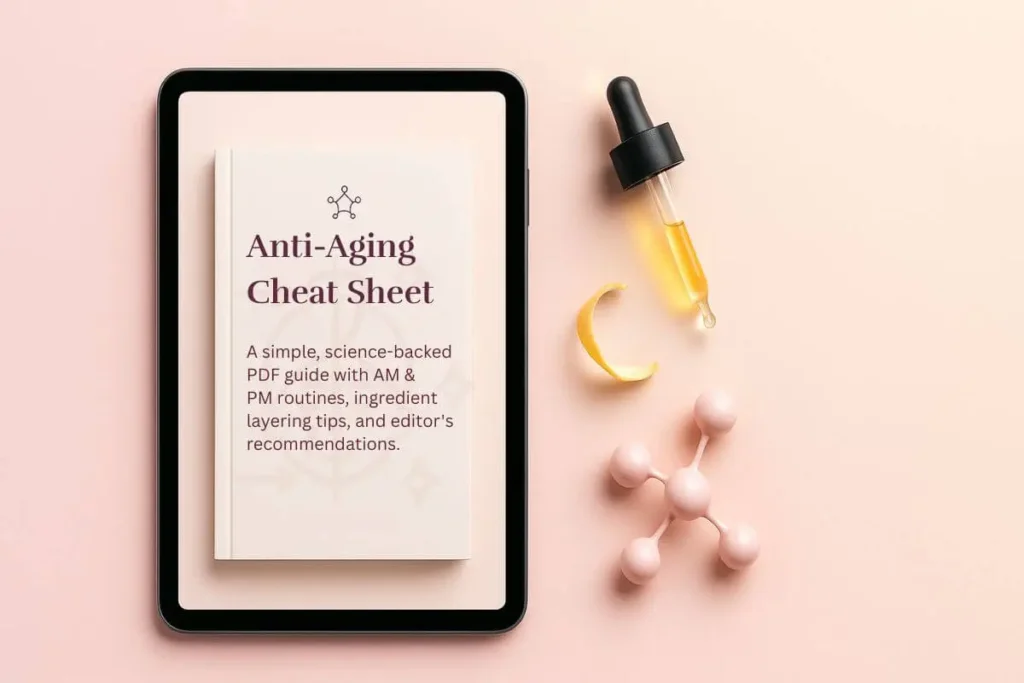
Get Your Free Anti-Aging Cheat Sheet

Science-backed tips, simplified for your daily routine

Discover the proven ingredients and routines that truly make a difference. Our cheat sheet distills years of skincare research into one clear, practical guide, helping you avoid mistakes and invest in products that work.

Premium Beauty Online – Anti-Aging Skincare Reviews & Expert Guides
Logo
Privacy Overview

This website uses cookies so that we can provide you with the best user experience possible. Cookie information is stored in your browser and performs functions such as recognising you when you return to our website and helping our team to understand which sections of the website you find most interesting and useful.

Check our privacy policy!

Shopping cart