

Peter Thomas Roth Retinol Fusion PM Night Serum Review
A streamlined, anhydrous, silicone-based retinol serum built around 1.5% time released microencapsulated retinol, plus squalane and antioxidant support. Designed for nighttime use, but it still needs a careful ramp-up, especially if skin is reactive.
- Who this product is really for: experienced retinol users who want a strong, minimalist night serum and prefer a lighter, slip texture over a heavy cream.
- Best for: visible texture, early to moderate fine lines, a tired-looking complexion, uneven tone, and anyone who wants a simple routine with one main active.
- Key feature: 1.5% time-released microencapsulated retinol, paired with squalane, vitamin E, and a vitamin C derivative.
- Top concerns: fine lines, uneven tone, uneven texture, loss of glow.
- You will like this if: you want a strong retinol in a simple formula that layers easily and does not feel greasy.
- You might skip this if: you are new to retinoids, your barrier is compromised, or you dislike silicone slip textures.

Affiliate disclosure: This post may contain affiliate links.
Retinol Fusion PM Night Serum review, a time released 1.5% retinol night serum for smoothing
What Is Peter Thomas Roth Retinol Fusion PM Night Serum
This is a night serum where retinol is the headline active. The brand positions it as “1.5% time released microencapsulated retinol,” designed to deliver retinol gradually through the night, with a streamlined supportive base that includes squalane and antioxidant vitamins.
Why It Works
Retinol is a classic, evidence-supported cosmetic active for improving the visible signs of photoaging, especially texture and fine lines, with consistent use.
The concept of time-released microencapsulation is well known in skincare because slower release can improve skin tolerability to retinol.
In a controlled clinical study using 0.4% topical retinol on naturally aged skin, retinol showed statistically significant improvement versus vehicle for fine wrinkles over 24 weeks.
Texture, Scent, and How It Feels on Skin
The presence of ingredients like cyclopentasiloxane and squalane usually translates to a lightweight, silky slip, fast spread, and minimal tack.
Retinol Fusion PM Night Serum is fragrance-free, which is a meaningful detail for sensitive skin (still, fragrance-free does not automatically mean irritation-free).
Top 5 Benefits
- Helps improve the appearance of fine lines and wrinkles with consistent use.
- Smoother-looking texture and more even-looking tone over time.
- Lightweight, non-greasy feel for easier layering (supported by the silicone plus squalane base).
- Antioxidant support from vitamin E and a vitamin C derivative (ascorbyl palmitate).
- Easy to keep consistent because the formula is intentionally minimalist.
How to Use It in Your Routine
Follow the brand protocol first because it is written for this exact formula: shake well, apply at night to cleansed face, use SPF during the day, and if irritation shows up, switch to every other night until skin adjusts, then gradually return to nightly use.
Recommended practical ramp-up plan
- Weeks 1 to 2: 2 nights per week, apply to dry skin, then moisturize
- Weeks 3 to 4: every other night
- Week 5 onward: nightly if skin is calm
The American Academy of Dermatology also emphasizes starting slowly, using only a pea-sized amount, and adding a moisturizer to reduce irritation, plus daily sunscreen, because retinoids can increase irritation and sun sensitivity in real life.
Pairing guide
- Best pairings: ceramides, niacinamide, panthenol, glycerin, simple moisturizers
- Use caution with: exfoliating acids (AHA, BHA) on the same night, strong benzoyl peroxide routines, and introducing multiple new actives at once
Who Should Skip It
- Very sensitive or compromised barrier skin (if you recently over-exfoliated or you are experiencing peeling and stinging) until skin is stable
- Anyone pregnant, trying to conceive, or breastfeeding should avoid topical retinoids unless a clinician has advised otherwise (the European Medicines Agency states that topical retinoids must not be used during pregnancy and by women planning to have a baby)
- First-time retinoid users who want the gentlest start may prefer a lower-strength retinol or a retinol alternative, before moving to a product positioned as 1.5% retinol
Editor Review
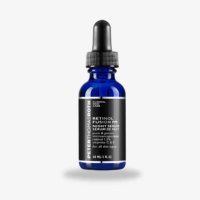 Retinol Fusion PM is a streamlined, fragrance free retinol serum built around 1.5% time released microencapsulated retinol in a lightweight, silicone based formula, supported by squalane and antioxidant vitamins. It reads more like a steady, consistent night treatment than an instant transformation. Many users describe a comfortable feel and smoothing, while a smaller group mentions slower or more subtle payoff, or sensory quirks like a retinol scent after application.
- 1.5% time released microencapsulated retinol, positioned for sustained overnight delivery.
- Fragrance free.
- Clear ramp up guidance.
- Squalane and bisabolol, aimed at a more comfortable experience.
- Reviews often highlight fast absorption, a non greasy feel, smoother softness, and “no irritation” experiences even among people who describe themselves as retinol sensitive.
- Strong presence across major retailers with a solid consumer rating signal, supporting “well liked product” positioning.
- The INCI includes alcohol, which very reactive or barrier impaired skin may prefer to avoid, even when the formula feels light.
- A recurring theme in reviews is subtle or slow visible change, including long term users who do not see meaningful results.
- The texture can read as a thin, dry oil style serum, and some find application a bit finicky (including dropper complaints).
- Despite being fragrance free, some users report an odd “retinol” smell after application, which can be a deal breaker for scent sensitive people.
- There are reports of eye area irritation if the product migrates too close to the eyes, so placement matters (orbit bone only, wash hands).
Efficacy: Retinol is a proven active, and the brand positions this as a high-strength option, which will appeal to experienced users looking for visible smoothing over time.
Texture: Silicone plus squalane typically feels sleek and layers well, especially for people who dislike heavy creams at night.
Ingredients: Minimalist and purposeful, with squalane and soothing bisabolol plus antioxidant support. Alcohol is present, so extra caution makes sense for reactive skin.
Packaging: A dropper is convenient, but retinol generally holds up best with low light and minimal air exposure habits, keep it tightly closed and stored away from heat and bright light.
Value: For users who want a strong retinol in a simple base, the formula logic is coherent and the routine is easy to maintain. The price sits in the mid to premium range, so the value makes the most sense if you will use it consistently and you genuinely prefer this lightweight, silicone plus squalane style over richer retinol creams.
How We Score (Our Criteria)
- Efficacy: how well the formula is designed to deliver its stated benefits, based on ingredient logic, evidence level, and realistic timelines.
- Texture: how the product feels and layers, including finish, absorption, and routine compatibility.
- Ingredients: ingredient list quality and suitability, including irritant risk, fragrance, sensitizers, and whether the formula matches its positioning.
- Packaging: practicality and protection, pump versus dropper, hygiene, dose control, and whether packaging supports active stability.
- Value: overall value for the category, balancing formula quality, performance signal, amount of product, plus the price factor.
Performance, What to Expect, Real Results Backed by Users
First, the reality check: retinoids reward consistency, not impatience. Clinical retinol data often uses multi-month timelines; for example, the 0.4% retinol study assessed outcomes at 24 weeks.
What to expect with a sensible routine
- Weeks 1 to 2: possible dryness, mild flaking, or temporary redness as skin adjusts, especially if other actives are in play.
- Weeks 4 to 8: texture may start to look more refined, makeup may sit better, and tone can look more even.
- Months 3 to 6: fine lines can look softer, and the skin surface can look smoother, especially with daily SPF and a stable barrier routine.
User sentiment, kept honest
- The brand site shows a substantial number of customer reviews (176 at the time of access), suggesting a real user base.
- Reviews reflect mixed experiences; some praise visible improvements, others report minimal change, which is typical for retinol since outcomes vary by routine, tolerance, and time.
FAQs
Is 1.5% retinol “too strong”?
It can be for beginners. The brand describes it as 1.5% time released microencapsulated retinol, which reads as high-strength positioning. Start slowly and ramp up, especially if skin is reactive.
Can it be used every night?
The brand instructs nightly use, with an adjustment to every other night if mild irritation or redness occurs, then a gradual ramp-up.
Should it be used with moisturizer?
Often yes, especially early on. AAD guidance supports using a moisturizer to reduce retinoid irritation and starting slowly.
Can it be used during pregnancy?
Avoid topical retinoids during pregnancy. EMA guidance is clear that topical retinoids must not be used during pregnancy and by women planning to have a baby.
Do you need sunscreen with it?
Yes. The brand instructs SPF during the day, and AAD emphasizes daily SPF when using retinoids.
Final Verdict
This is a strong, minimalist retinol serum for people who already understand retinol pacing and want a sleek, easy layering texture rather than a rich night cream. The supportive ingredients, especially squalane and bisabolol, make sense for comfort, but a product positioned as 1.5% retinol is not a casual starter. Use it like a pro, start slower than your ego wants, moisturize strategically, and treat SPF as non-negotiable.
Editorial note: This content includes AI-assisted editorial drafting and is human-reviewed before publishing.
Specification: Peter Thomas Roth Retinol Fusion PM Night Serum Review
|
User Reviews
Be the first to review “Peter Thomas Roth Retinol Fusion PM Night Serum Review”
Related Products

There are no reviews yet.